
Knowledge Leadership: When Knowledge Becomes an Operating Asset
Knowledge is an organizational asset.
But capturing knowledge is only the beginning.
The real value comes when knowledge is accessible, shared, applied, measured, and fed back into the organization as new learning.
Knowledge is good to have.
It is great when applied.

When the Operation Is Telling You Something
Growth, new technology, changing customer demands, or years of small workarounds can create friction that isn't visible in the reports.
Sometimes the operation doesn't need another answer.
It needs a different set of eyes and an experienced guide.
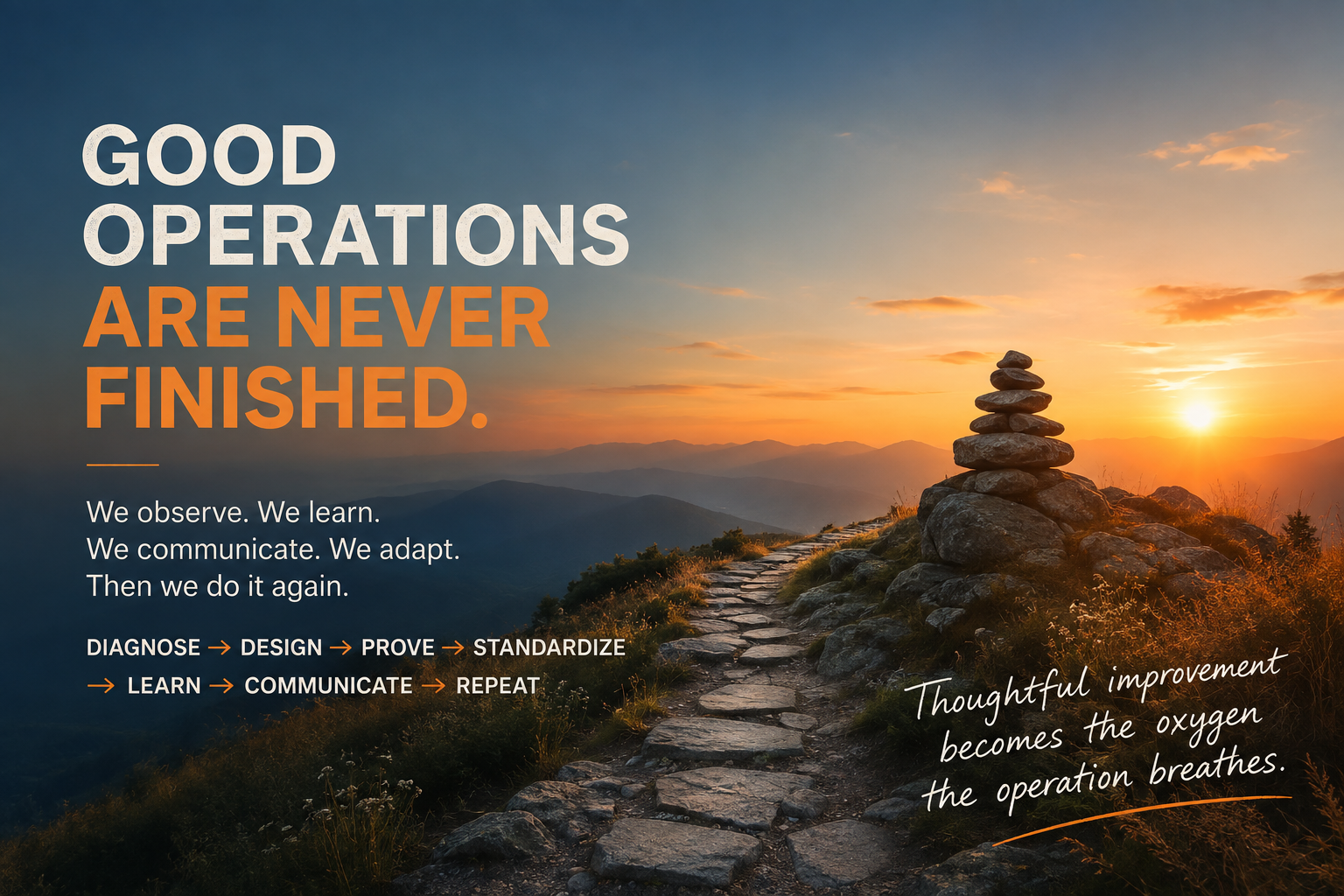
Good Operations Are Never Finished
A standardized process is not the end of improvement. It is the beginning of a new opportunity to learn.
Once people begin using the process, the operation starts teaching us.
Diagnose → Design → Prove → Standardize → Learn → Communicate → Repeat
The operating system is alive.
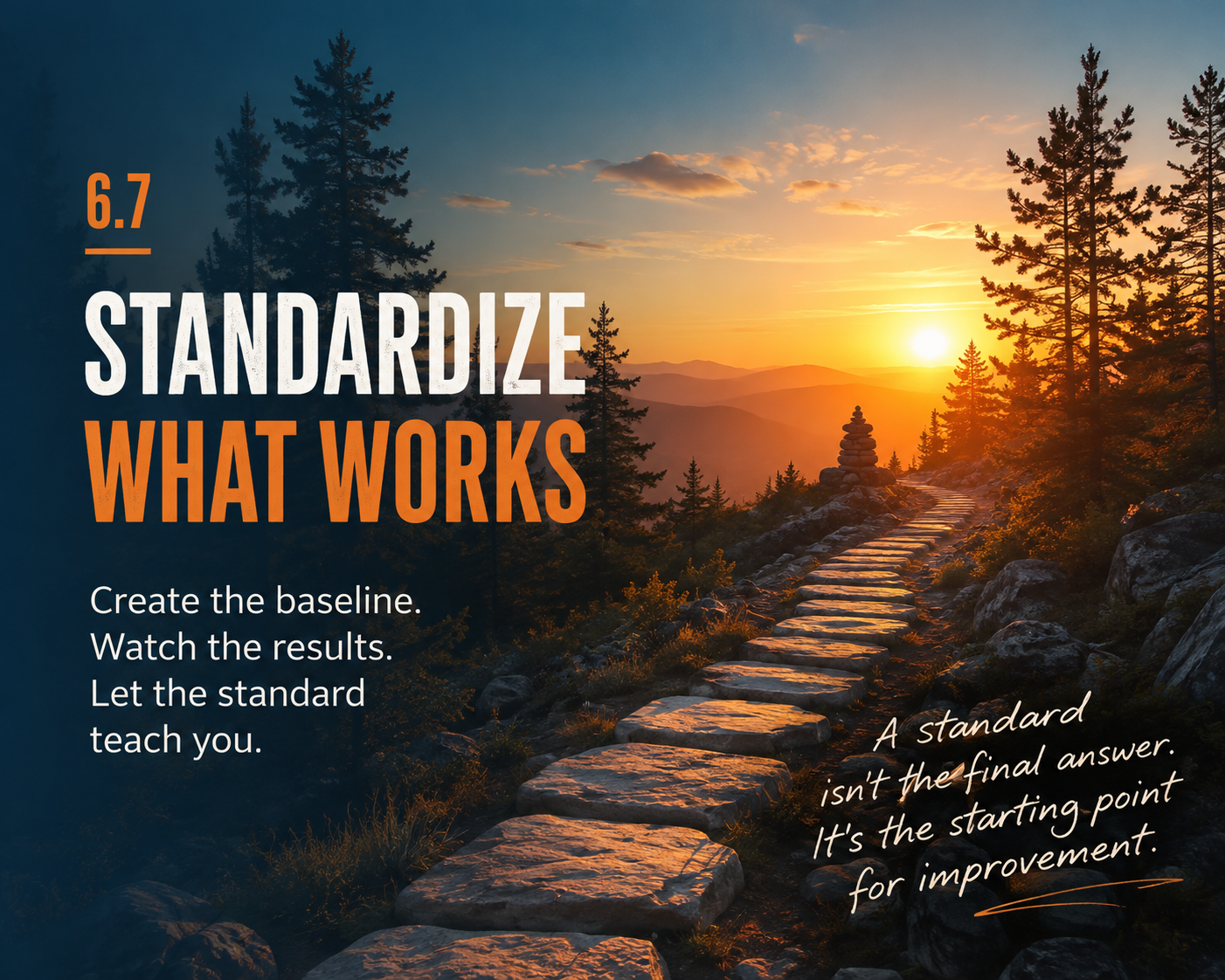
Standardize What Works
A standard should do more than tell people how to perform a task. It should give leaders a baseline, create visibility, and provide leverage across the operation. When performance changes, the standard can help us see the change and ask the right question: What changed?
Standardize what works. Then let the standard teach you what comes next.
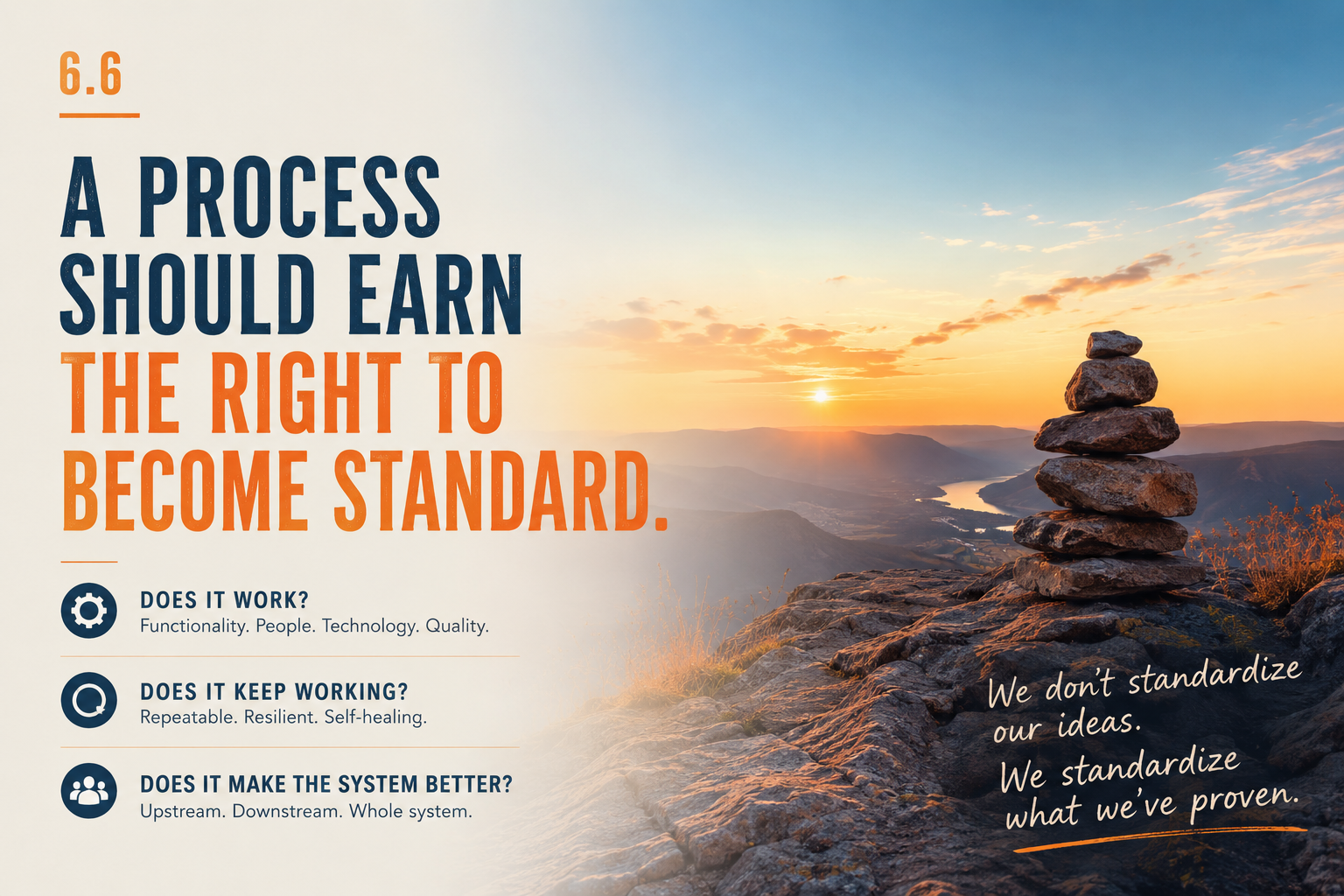
A Process Should Earn the Right to Become Standard
A process isn't proven because it works once.
It is proven when the average operator can run it repeatedly, it survives the normal exceptions of the operation, and it makes the larger system better.
We don't standardize our ideas. We standardize what we've proven.
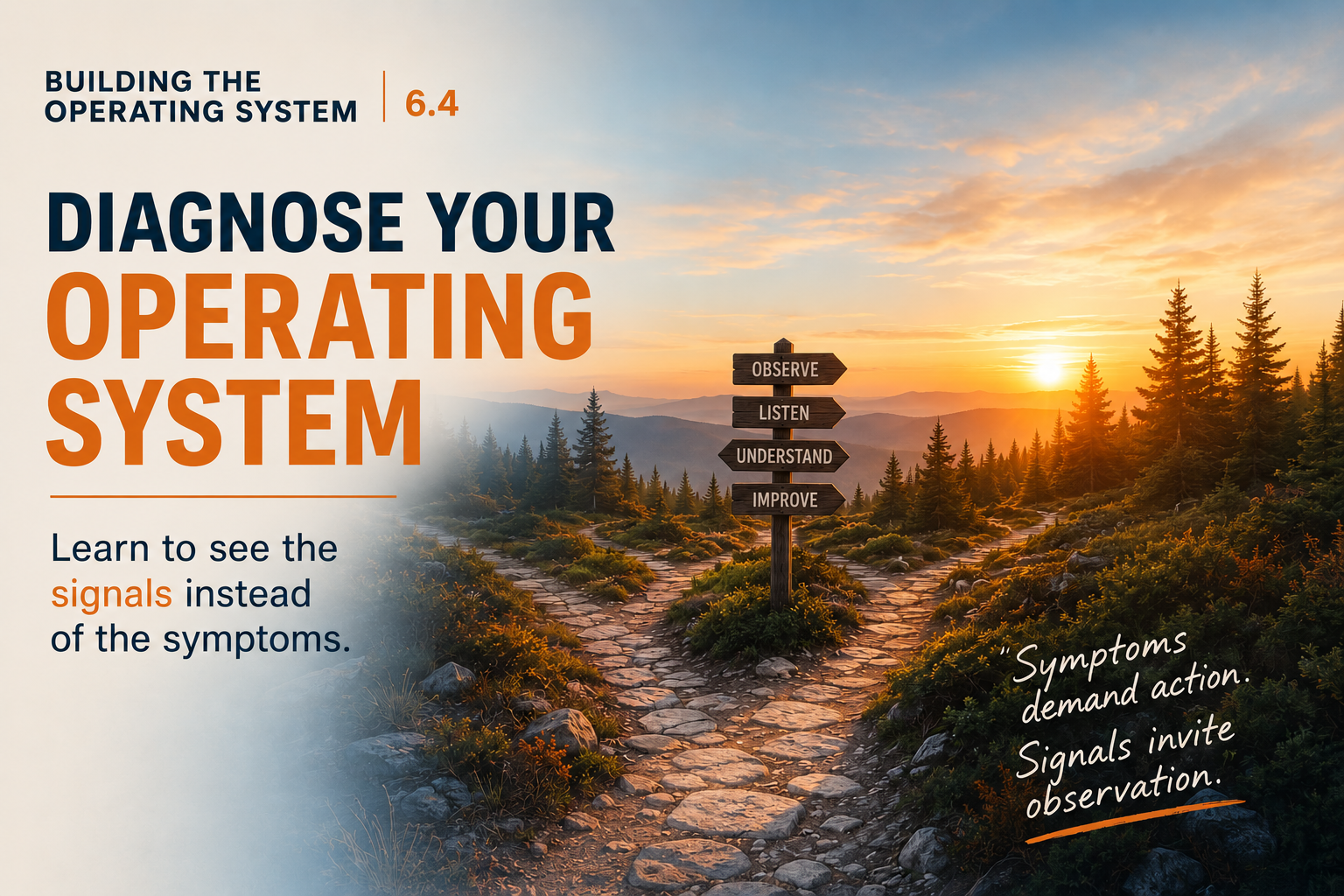
Learn to See the Signals Instead of the Symptoms
Most organizations react to symptoms. Great operational leaders learn to recognize the signals first. The next time something doesn't feel right, ask yourself: What is the operating system trying to tell me?
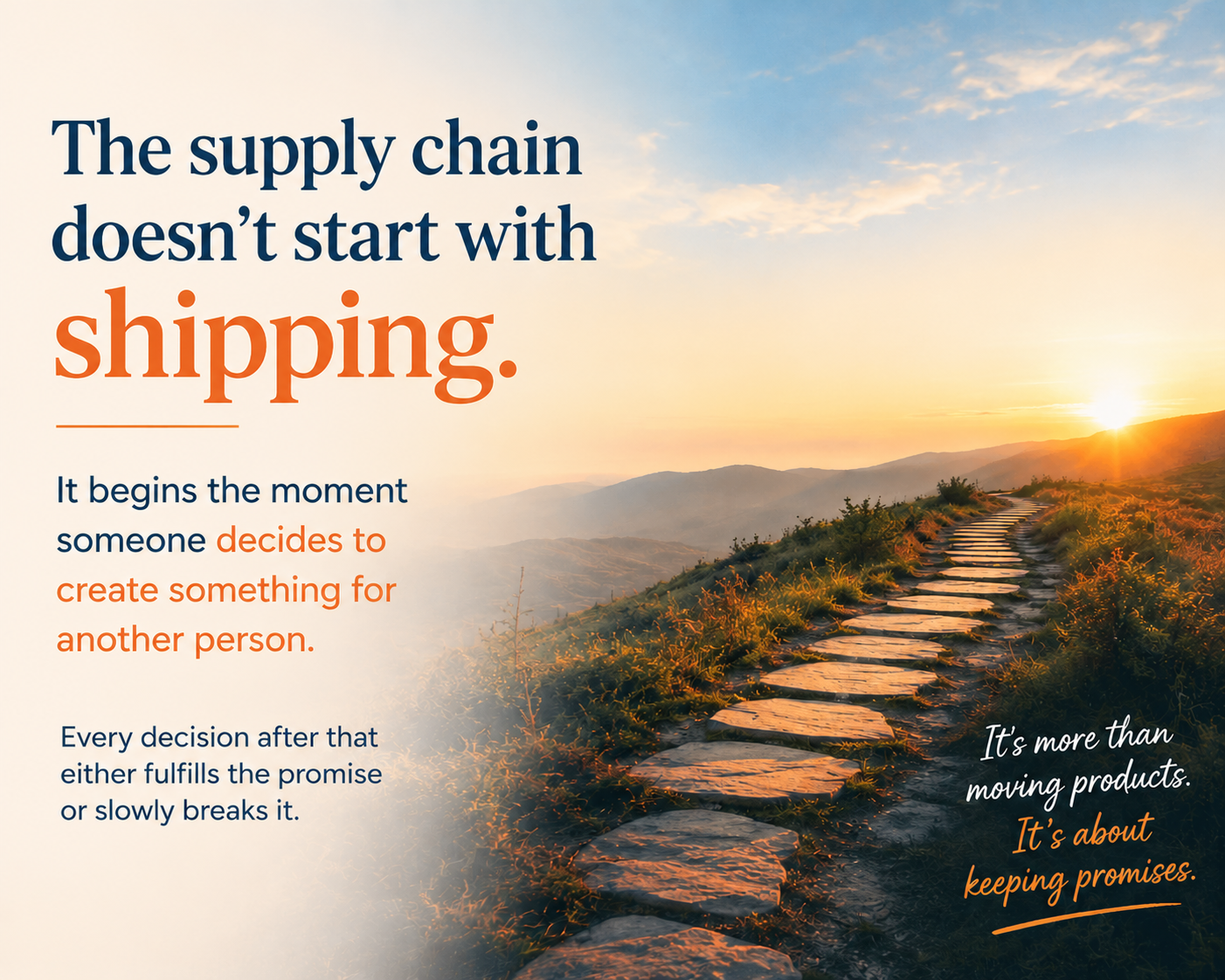
The Supply Chain Doesn't Start With Shipping
The supply chain doesn't begin when a truck backs up to a loading dock. It begins the moment someone decides to create something for another person. Every decision after that either fulfills the promise or slowly breaks it. In this article, I explore why supply chain thinking must start much earlier than shipping.
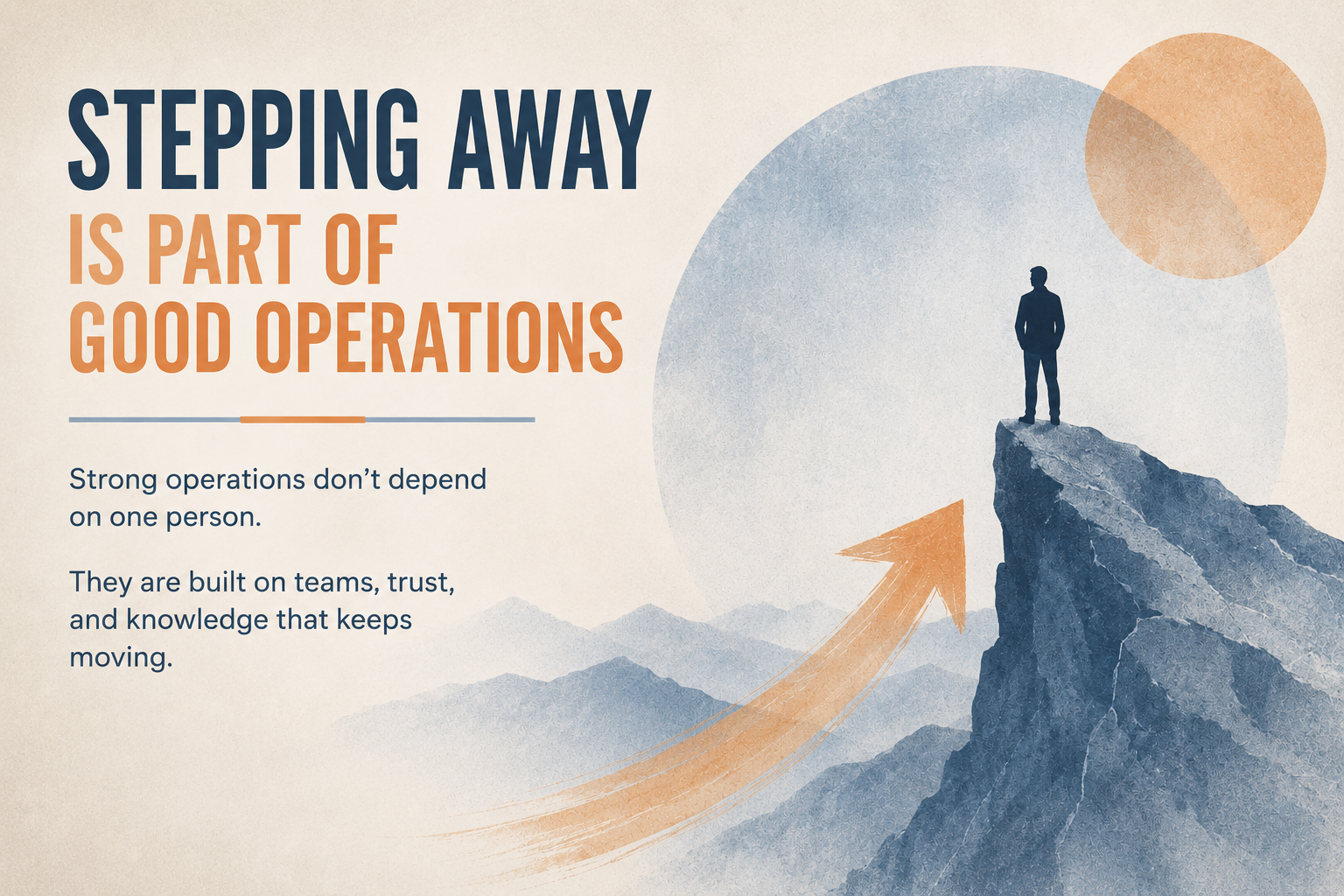
Stepping Away Is Part of Good Operations
Every organization has people who seem indispensable. But is that a sign of strength... or a hidden risk? Here's why stepping away is actually part of good operations.

Field Notes from the Transition: Tip #10
Many implementation failures are not caused by poor execution, but by the absence of a single role that translates between operational reality and system design. A requirements conduit ensures clarity, alignment, and consistency from floor to vendor throughout the transition.

Field Notes from the Transition: Tip #9
System go-live does not guarantee operational adoption. Many implementations stall in the transition period where users continue to rely on old behaviors and legacy tools. True success is measured by behavioral alignment, not system activation.

Field Notes from the Transition #5
Many operational initiatives fail not because the solution is wrong, but because the constraint was never correctly identified. Understanding whether a bottleneck is physical, procedural, or system-based is the critical first step before applying any solution.

Field Notes from the Transition: Tip #4
Many organizations pursue automation as the next step in operational maturity, but skip the foundational stage that makes automation successful. Gateway automation exposes readiness gaps and prepares the operation for scalable, stable adoption.

Field Notes from the Transition #2
Most operations rely on a hidden system of spreadsheets, trackers, and manual updates that quietly runs the business alongside the official tools. This “shadow control tower” is not a problem to eliminate, but a signal to understand. It reveals where systems are falling short and how decisions are actually being made on the floor.
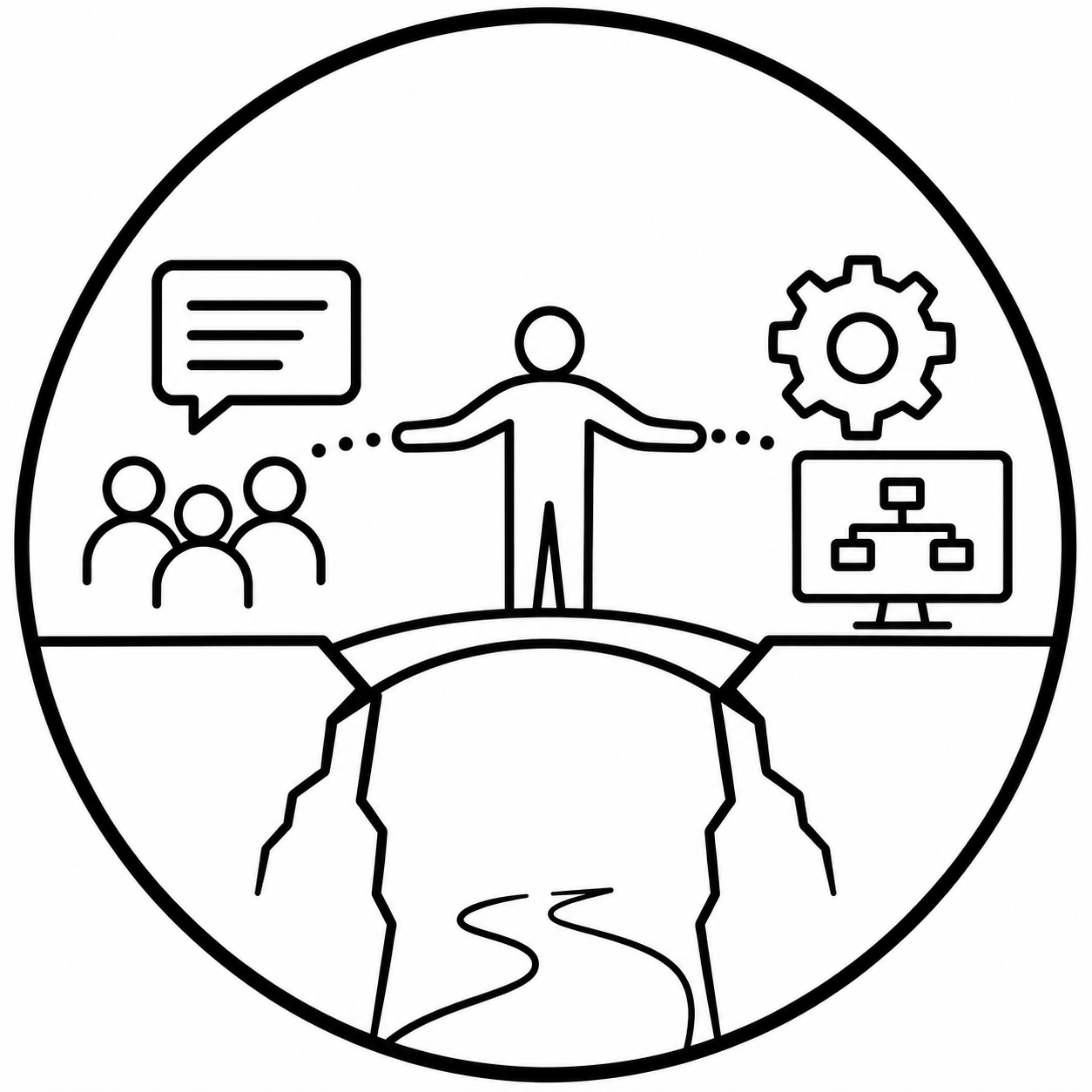
The Missing Role in Most Implementations
Most implementations have project managers and technical experts. What they often lack is someone who can connect operational reality to the project plan. Successful projects require more than communication. They require understanding.
Before Go-Live: The Readiness Gap
Most organizations spend significant time preparing the system for go-live. Far fewer spend enough time preparing people. Training may create awareness, but confidence comes from repetition. Before launch, the biggest readiness gap is often not technical. It is the gap between knowing what to do and being comfortable doing it when the pressure is real.
The Hardest Part Is Letting Go
Organizations often focus on teaching the new process. They spend far less time helping people let go of the old one. This article explores why unlearning is often the hardest part of change and why successful transition requires more than implementation.
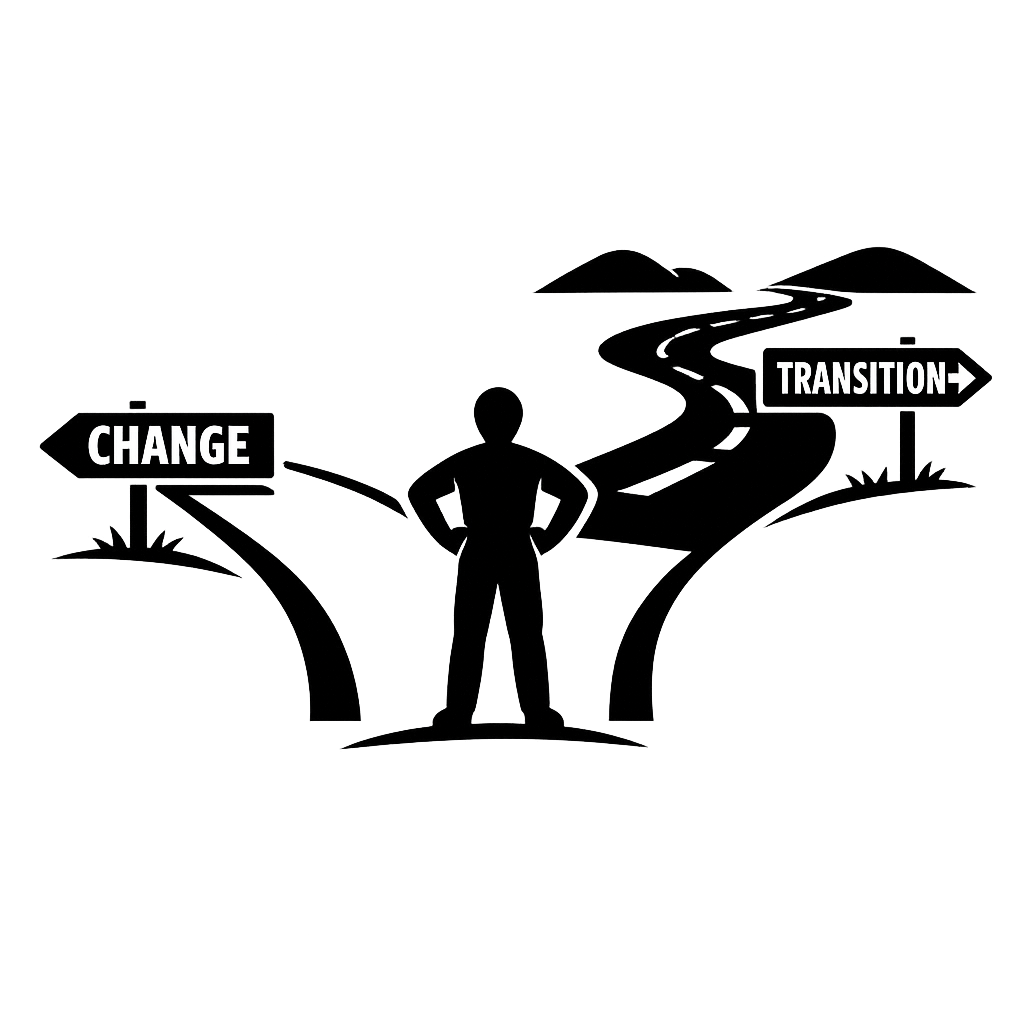
Change Is Easy. Transition Is Hard.
Projects end. Go-live arrives. Success is declared. Then people come back to work the next day and discover that the real challenge has just begun. This article examines the gap between change and transition, and why sustainable adoption takes far longer than implementation.

Sustainable Operations Are Possible
What Sustainable Operations Actually Require (6 of 6 in the series)
Operations rarely become unstable all at once. Most drift there gradually. People adapt to survive. Processes drift from design. Sustainable improvement requires operational breathing room. Not perfection. Not less accountability. Not slowing the business down.
Clarity, structure and results, a little at a time, will build momentum, that can bring an grid locked operation into sustainable growth.