
The In-Between
Sometimes we find ourselves in the space between where we have been and where we are going next.
The in-between can be exciting. It can also be confusing, lonely, and a little mushy.
Sometimes the next best step is already there. We just need enough space, perspective, and encouragement to see it. You are not alone in this journey.

Knowledge Leadership: When Knowledge Becomes an Operating Asset
Knowledge is an organizational asset.
But capturing knowledge is only the beginning.
The real value comes when knowledge is accessible, shared, applied, measured, and fed back into the organization as new learning.
Knowledge is good to have.
It is great when applied.

When the Operation Is Telling You Something
Growth, new technology, changing customer demands, or years of small workarounds can create friction that isn't visible in the reports.
Sometimes the operation doesn't need another answer.
It needs a different set of eyes and an experienced guide.
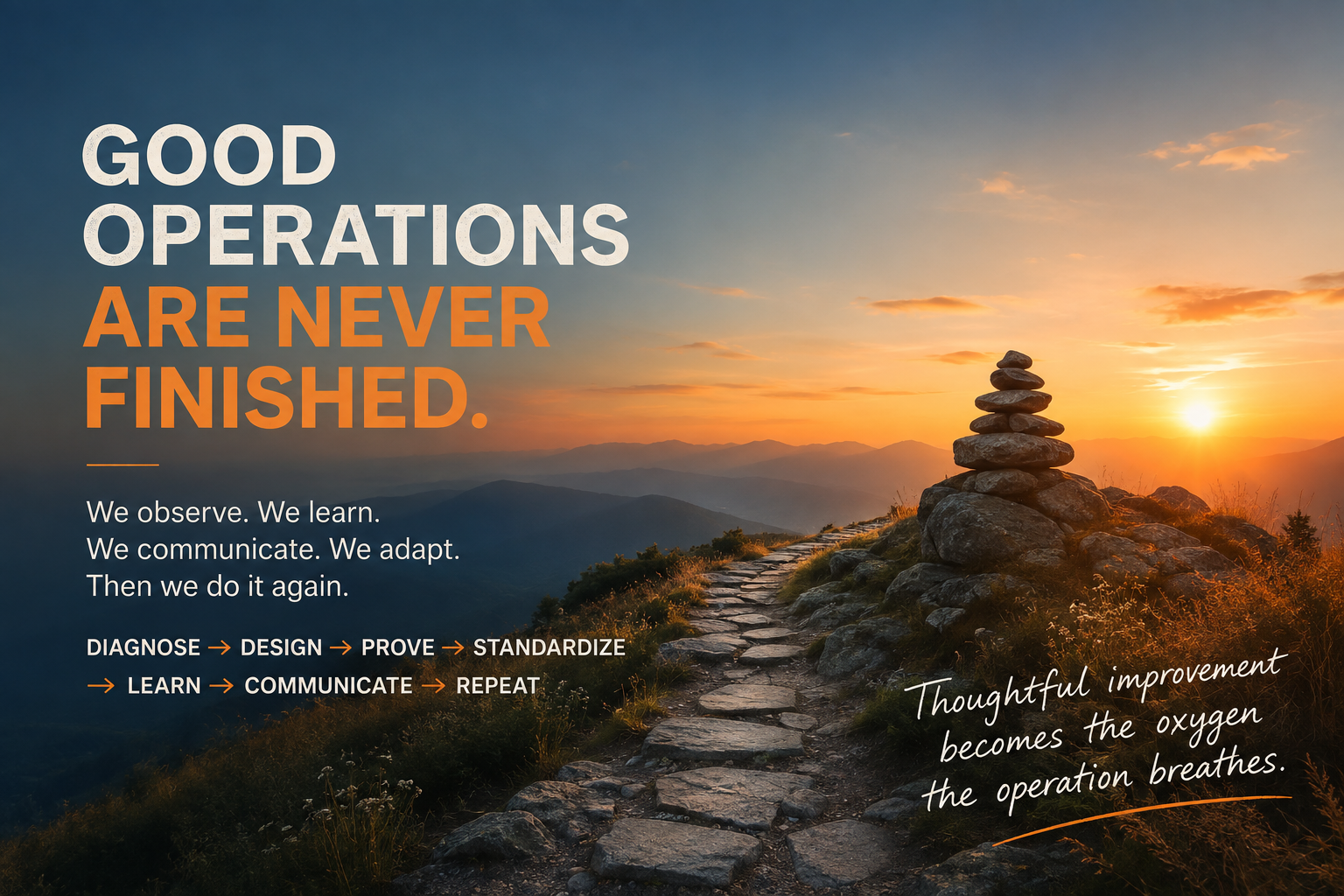
Good Operations Are Never Finished
A standardized process is not the end of improvement. It is the beginning of a new opportunity to learn.
Once people begin using the process, the operation starts teaching us.
Diagnose → Design → Prove → Standardize → Learn → Communicate → Repeat
The operating system is alive.
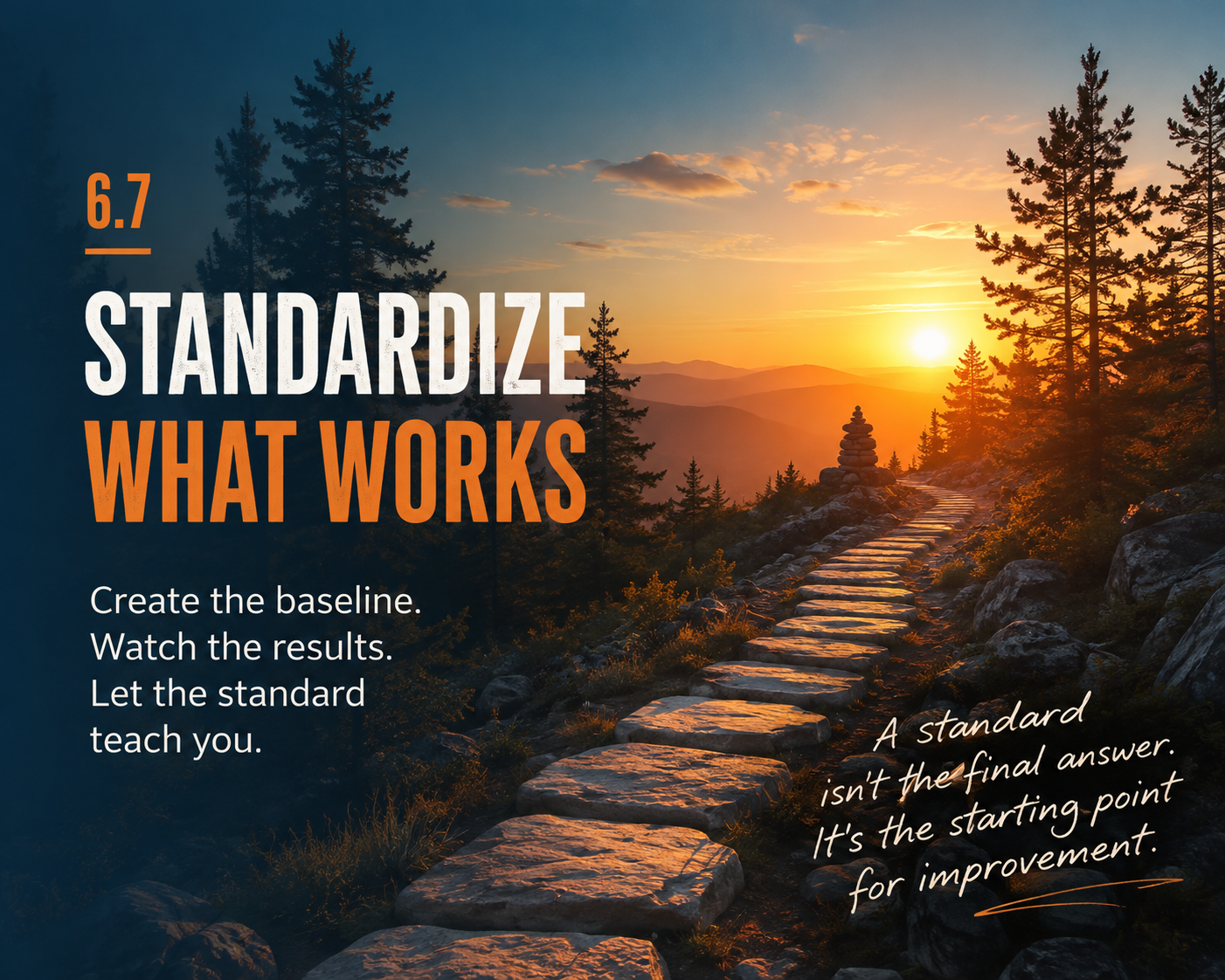
Standardize What Works
A standard should do more than tell people how to perform a task. It should give leaders a baseline, create visibility, and provide leverage across the operation. When performance changes, the standard can help us see the change and ask the right question: What changed?
Standardize what works. Then let the standard teach you what comes next.
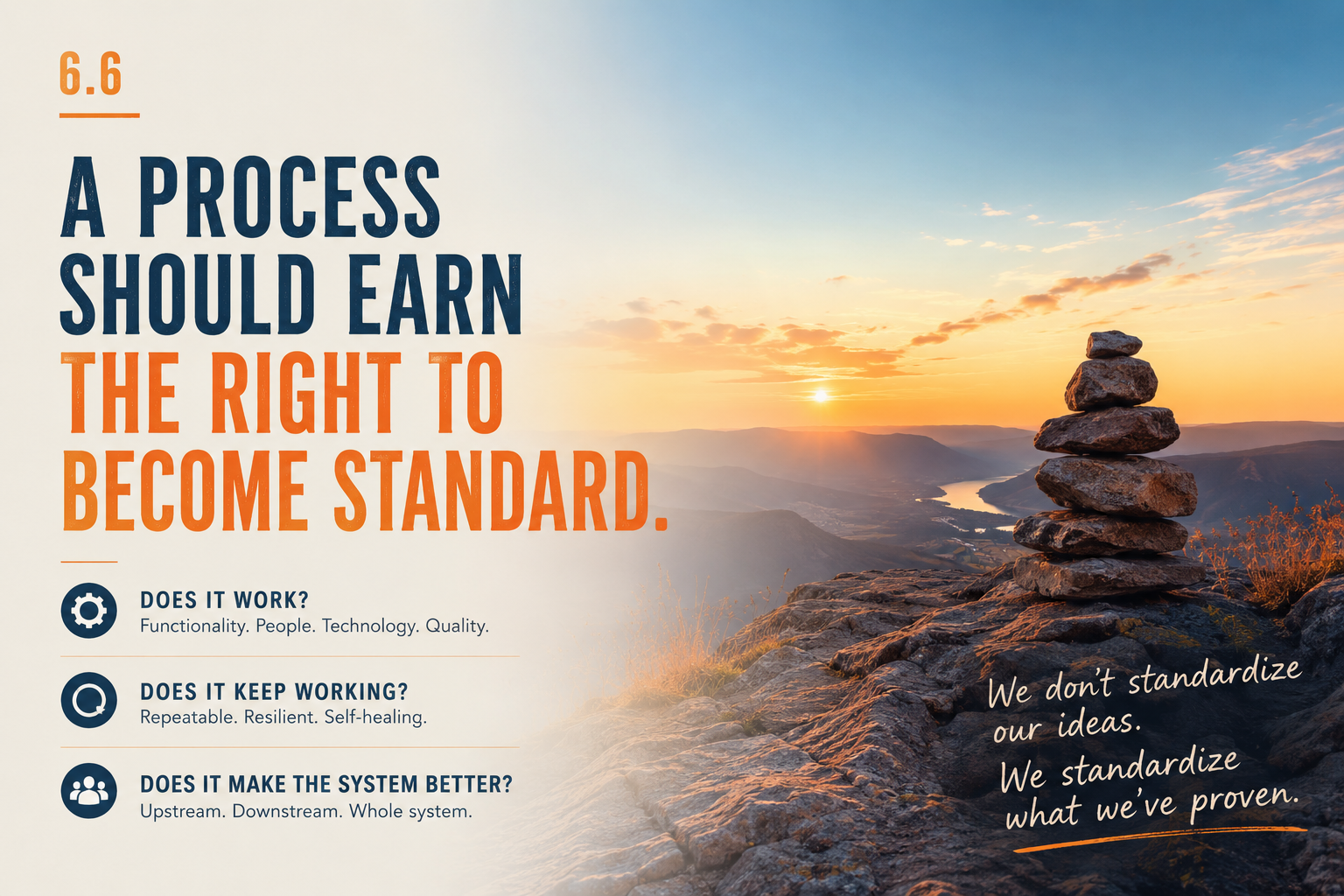
A Process Should Earn the Right to Become Standard
A process isn't proven because it works once.
It is proven when the average operator can run it repeatedly, it survives the normal exceptions of the operation, and it makes the larger system better.
We don't standardize our ideas. We standardize what we've proven.
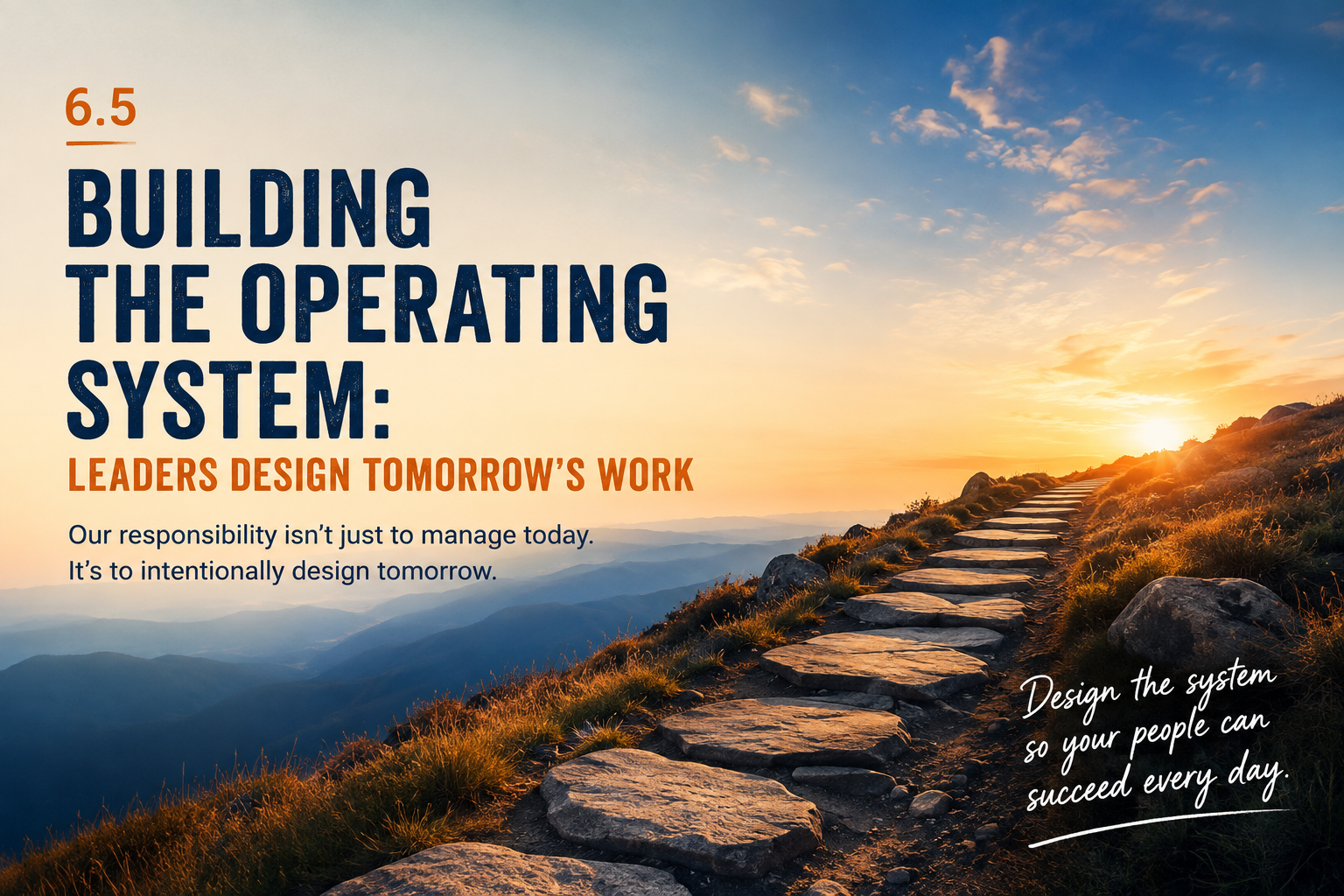
Building the Operating System: Leaders Design Tomorrow's Work (6.5)
People rarely create operational chaos.
More often, they inherit a system that was never designed to let them succeed.
As Operations Leaders, our responsibility isn’t simply to manage today’s work. It’s to intentionally design tomorrow’s work. You may discover the biggest opportunity isn’t improving people… it’s improving the system.
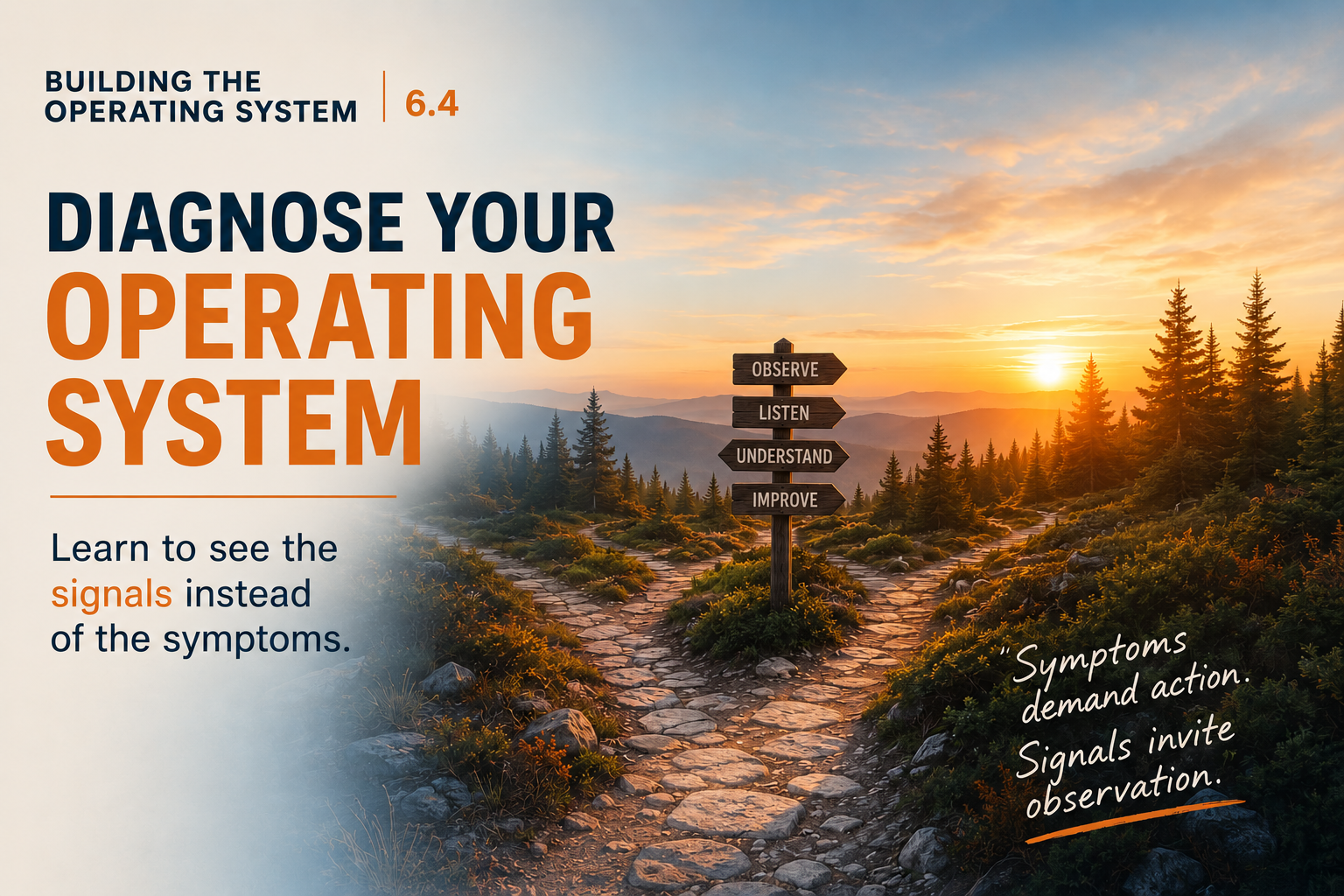
Learn to See the Signals Instead of the Symptoms
Most organizations react to symptoms. Great operational leaders learn to recognize the signals first. The next time something doesn't feel right, ask yourself: What is the operating system trying to tell me?
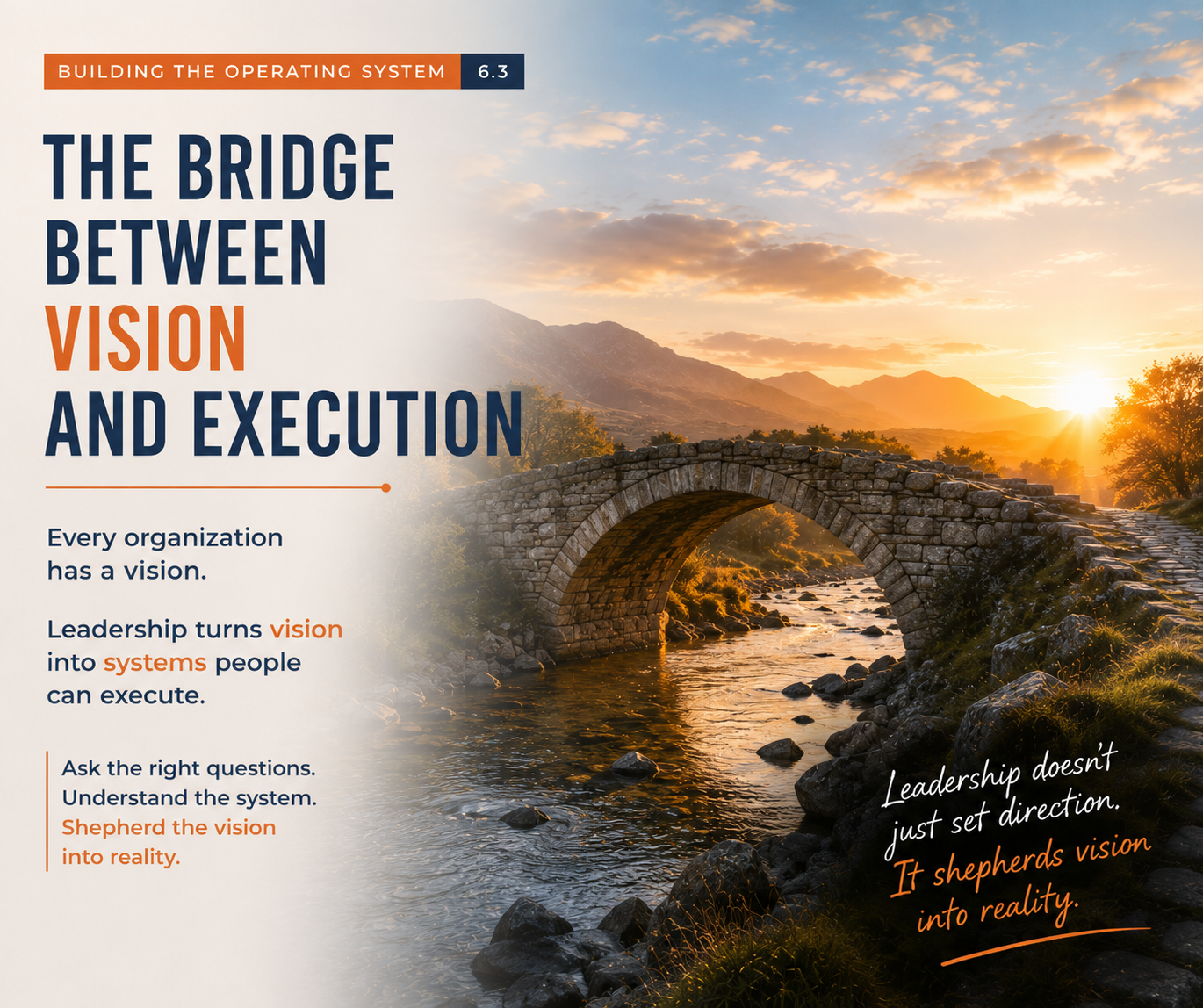
The Bridge Between Vision and Execution
Every organization has a vision. The challenge isn't creating it. It's turning that vision into operational reality.
Leadership doesn't end when the vision is announced. It begins by asking the questions that protect it through execution.
In the latest Building the Operating System article, I explore the bridge between vision and execution.
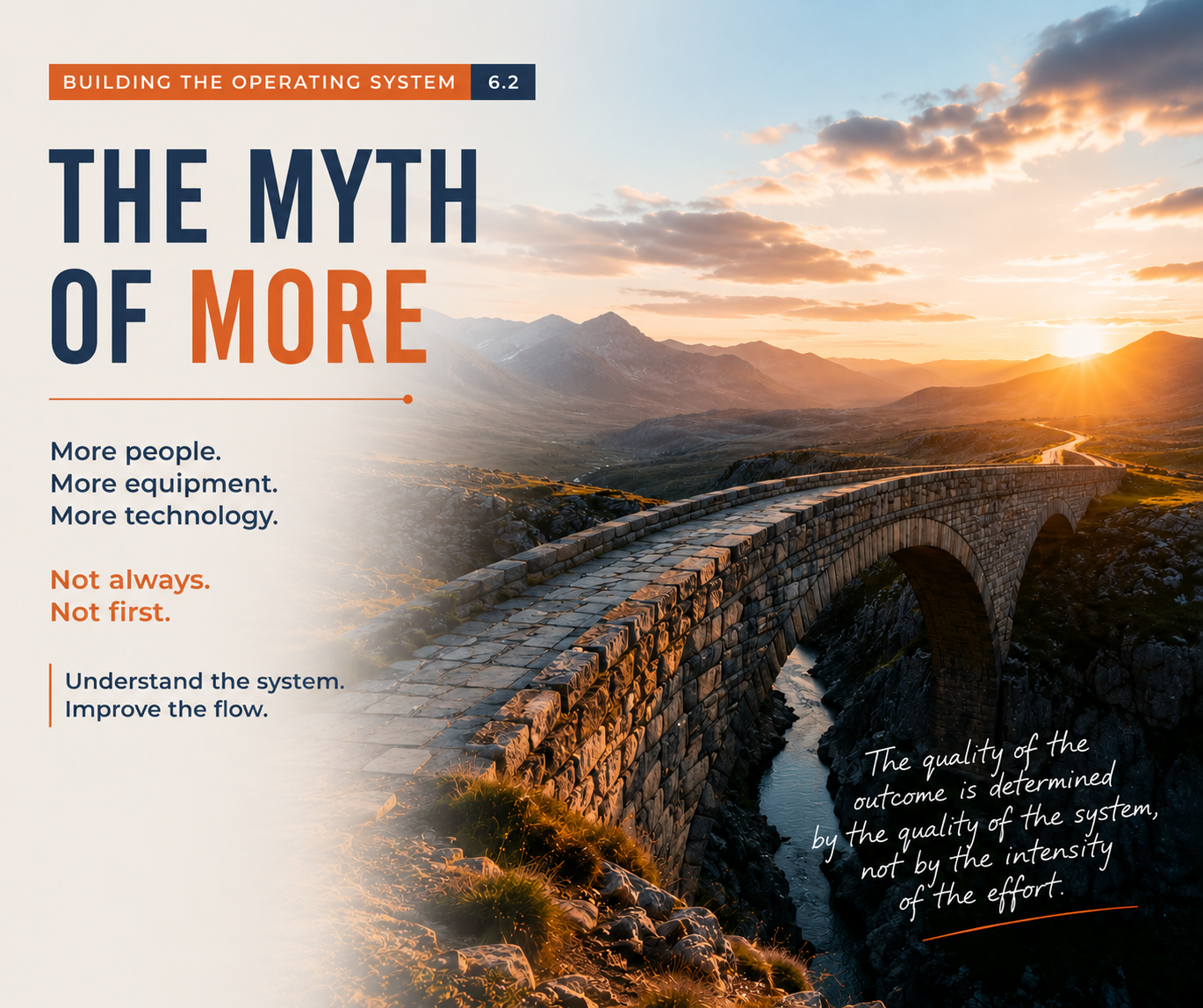
The Myth of More
Leaders often solve operational problems by adding more people or technology. Learn why understanding system flow leads to better, lasting results.
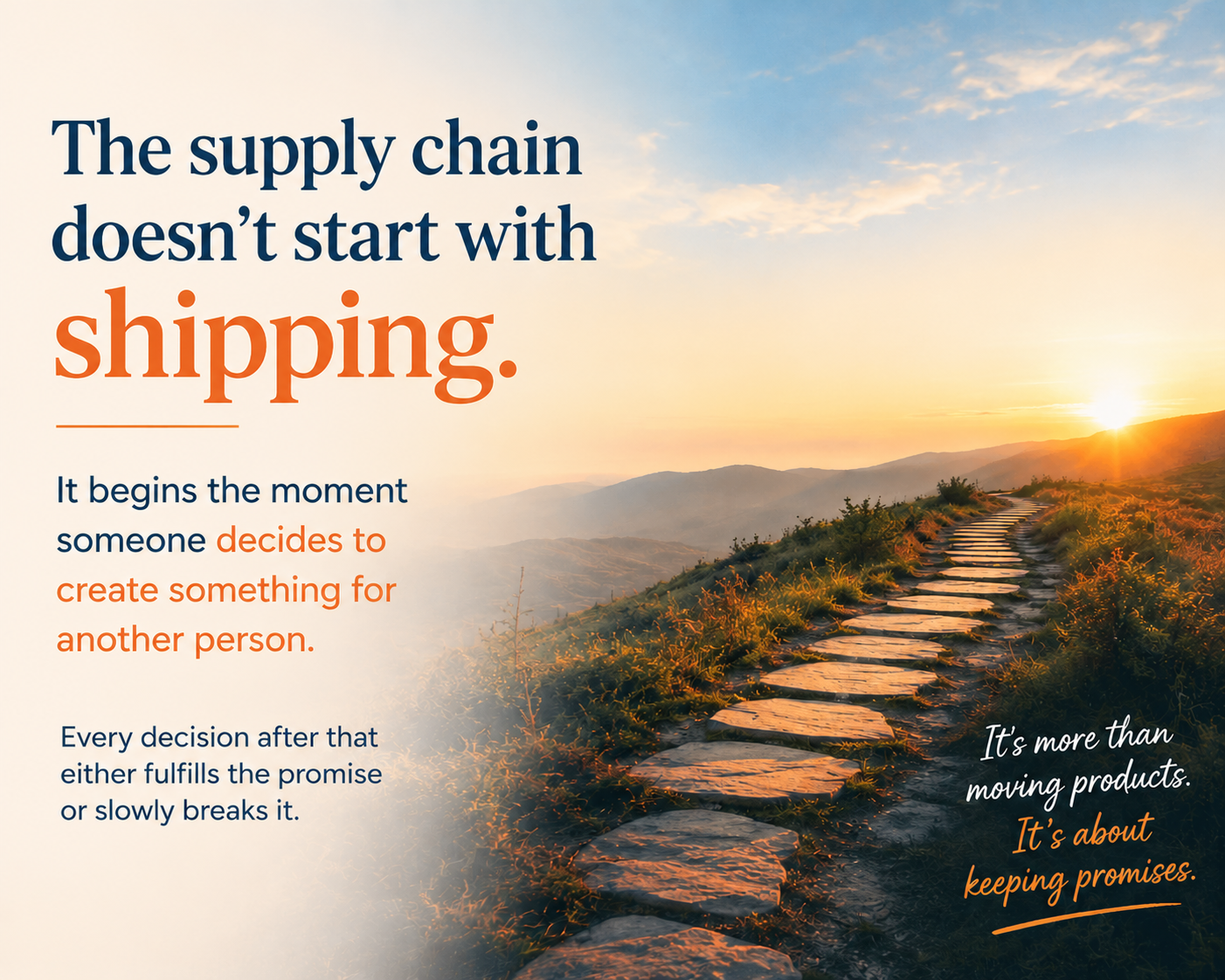
The Supply Chain Doesn't Start With Shipping
The supply chain doesn't begin when a truck backs up to a loading dock. It begins the moment someone decides to create something for another person. Every decision after that either fulfills the promise or slowly breaks it. In this article, I explore why supply chain thinking must start much earlier than shipping.
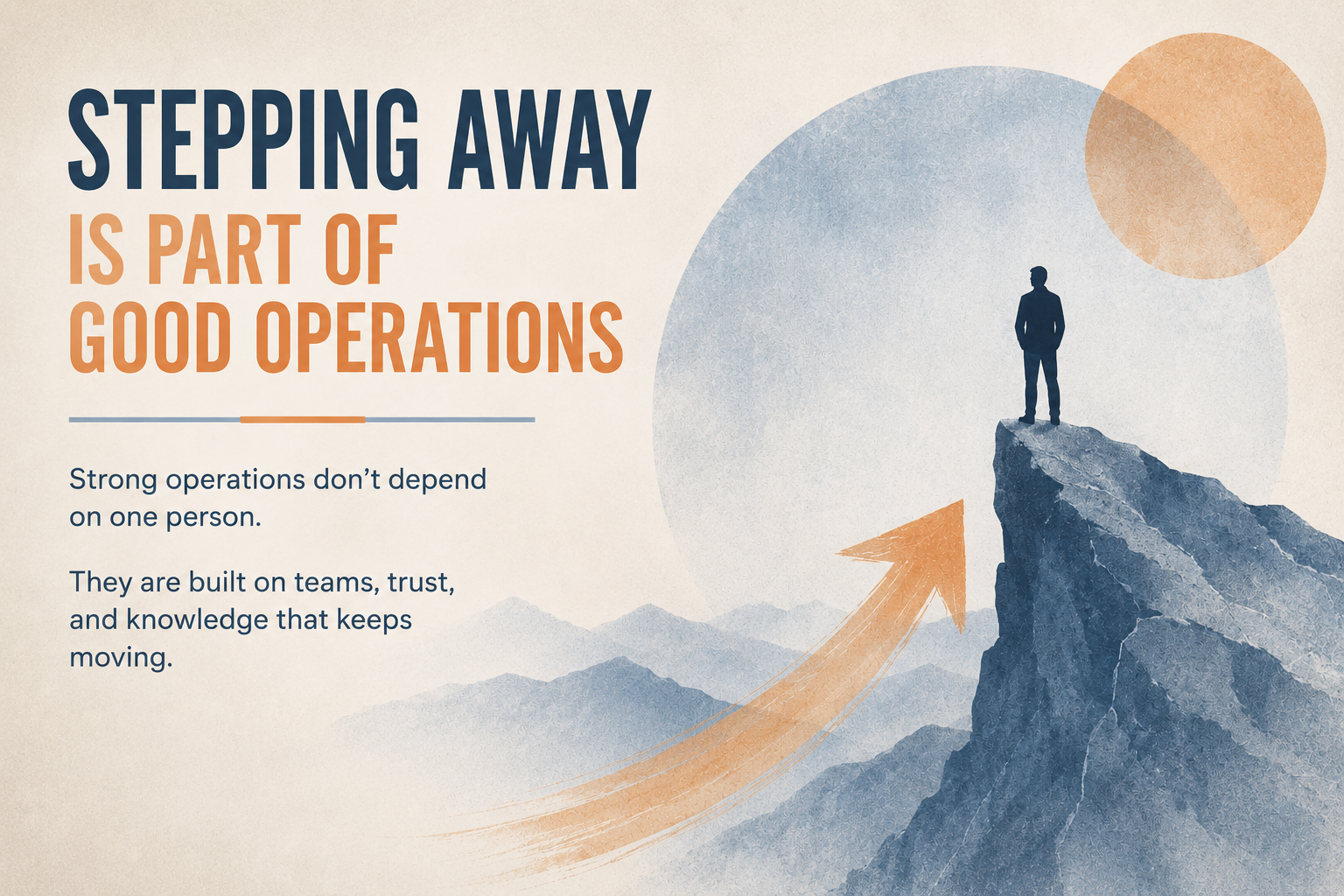
Stepping Away Is Part of Good Operations
Every organization has people who seem indispensable. But is that a sign of strength... or a hidden risk? Here's why stepping away is actually part of good operations.

Field Notes from the Transition: Tip #10
Many implementation failures are not caused by poor execution, but by the absence of a single role that translates between operational reality and system design. A requirements conduit ensures clarity, alignment, and consistency from floor to vendor throughout the transition.

Field Notes from the Transition: Tip #9
System go-live does not guarantee operational adoption. Many implementations stall in the transition period where users continue to rely on old behaviors and legacy tools. True success is measured by behavioral alignment, not system activation.

Field Notes from the Transition: Tip #8
Many implementation failures occur not because of poor execution, but because project timelines collide with peak operational periods. Aligning project milestones with real operational capacity is essential to protect both performance and adoption.

Field Notes from the Transition #7
Many operations are surrounded by dashboards and KPIs, yet still struggle to translate metrics into consistent action. True operational maturity is not measured by how much data you have, but by how clearly that data drives decisions on the floor.

Field Notes from the Transition #6
Many system requirements are not true requirements at all. They are legacy workarounds that reflect past constraints rather than future needs. Filtering these out early is critical to preventing inefficiency from being embedded into new systems.

Field Notes from the Transition #5
Many operational initiatives fail not because the solution is wrong, but because the constraint was never correctly identified. Understanding whether a bottleneck is physical, procedural, or system-based is the critical first step before applying any solution.

Field Notes from the Transition: Tip #4
Many organizations pursue automation as the next step in operational maturity, but skip the foundational stage that makes automation successful. Gateway automation exposes readiness gaps and prepares the operation for scalable, stable adoption.

Field Notes from the Transition: Tip #3
Many operations assume they have outgrown their facility when the real constraint is unused vertical space. A proper vertical cube audit often reveals hidden capacity, improved flow, and avoids unnecessary expansion costs.