

Field Notes from the Transition: Tip #10
Many implementation failures are not caused by poor execution, but by the absence of a single role that translates between operational reality and system design. A requirements conduit ensures clarity, alignment, and consistency from floor to vendor throughout the transition.

Field Notes from the Transition: Tip #9
System go-live does not guarantee operational adoption. Many implementations stall in the transition period where users continue to rely on old behaviors and legacy tools. True success is measured by behavioral alignment, not system activation.

Field Notes from the Transition: Tip #8
Many implementation failures occur not because of poor execution, but because project timelines collide with peak operational periods. Aligning project milestones with real operational capacity is essential to protect both performance and adoption.

Field Notes from the Transition #7
Many operations are surrounded by dashboards and KPIs, yet still struggle to translate metrics into consistent action. True operational maturity is not measured by how much data you have, but by how clearly that data drives decisions on the floor.

Field Notes from the Transition #5
Many operational initiatives fail not because the solution is wrong, but because the constraint was never correctly identified. Understanding whether a bottleneck is physical, procedural, or system-based is the critical first step before applying any solution.

Field Notes from the Transition: Tip #4
Many organizations pursue automation as the next step in operational maturity, but skip the foundational stage that makes automation successful. Gateway automation exposes readiness gaps and prepares the operation for scalable, stable adoption.

Field Notes from the Transition: Tip #3
Many operations assume they have outgrown their facility when the real constraint is unused vertical space. A proper vertical cube audit often reveals hidden capacity, improved flow, and avoids unnecessary expansion costs.

Field Notes from the Transition #2
Most operations rely on a hidden system of spreadsheets, trackers, and manual updates that quietly runs the business alongside the official tools. This “shadow control tower” is not a problem to eliminate, but a signal to understand. It reveals where systems are falling short and how decisions are actually being made on the floor.

Field Notes from the Transition #1
Many organizations expect a new WMS to create operational discipline. In reality, systems inherit the conditions already present on the floor. Before kickoff, perform a physical logic audit to ensure your operation is ready for the software you are about to implement.
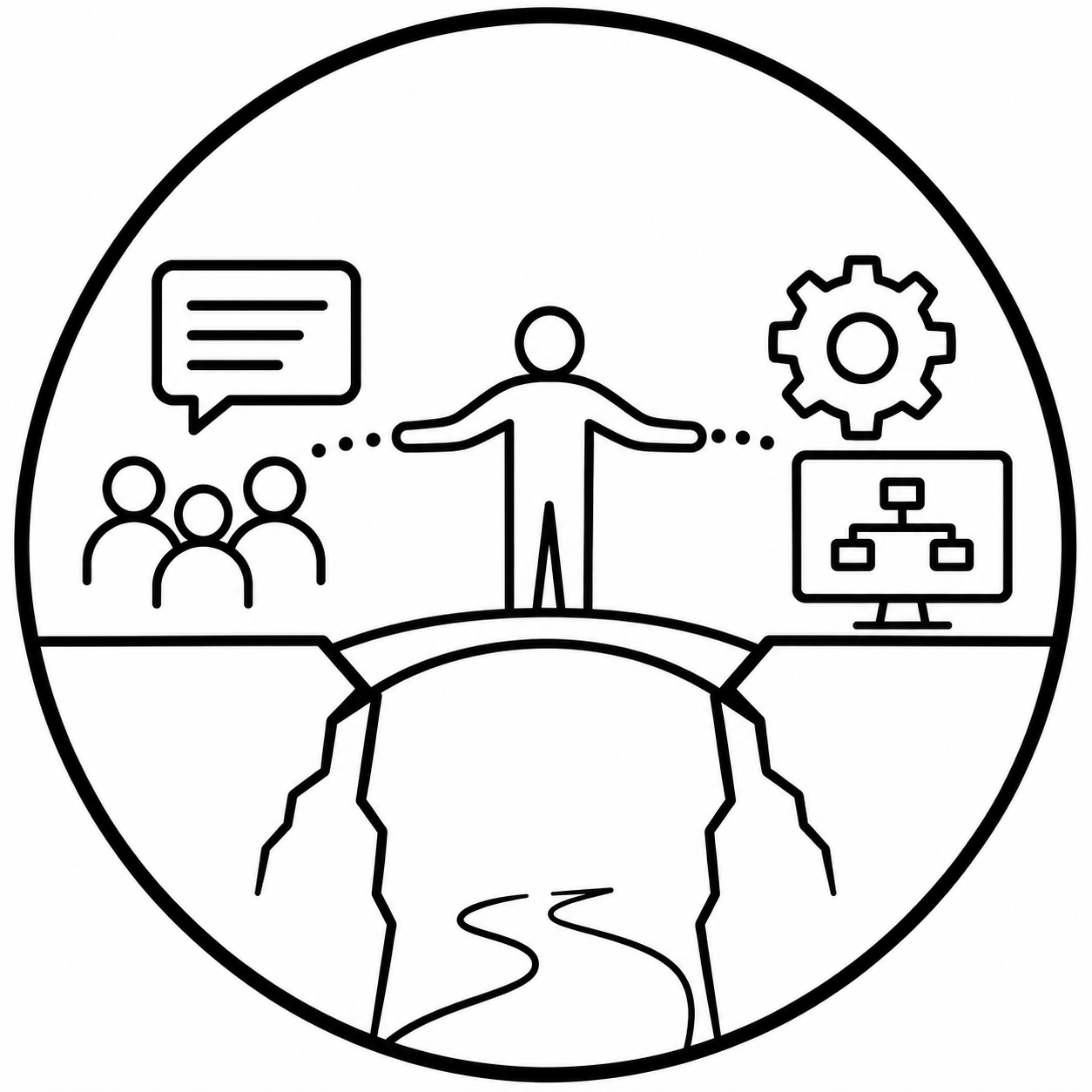
The Missing Role in Most Implementations
Most implementations have project managers and technical experts. What they often lack is someone who can connect operational reality to the project plan. Successful projects require more than communication. They require understanding.

Before Go-Live: The Readiness Gap
Most organizations spend significant time preparing the system for go-live. Far fewer spend enough time preparing people. Training may create awareness, but confidence comes from repetition. Before launch, the biggest readiness gap is often not technical. It is the gap between knowing what to do and being comfortable doing it when the pressure is real.