
Sustainable Operations Are Possible
Operations rarely become unstable all at once. Most drift there gradually. People adapt to survive. Processes drift from design.
Sustainable improvement requires operational breathing room. Not perfection. Not less accountability. Not slowing the business down.
Clarity, structure and results, a little at a time, will build momentum, that can bring an grid locked operation into sustainable growth.

The Gap Between Systems and Reality
The latest post in my series on sustainable operations explores the gap between systems and operational reality — and why technology projects often inherit instability long before implementation begins.
Operational Pressure!
Most struggling operations did not become unstable all at once.
They adapted out of necessity.
Gradually.
Under pressure, positive or negative.
Systematically.
One exception at a time.
One workaround at a time.
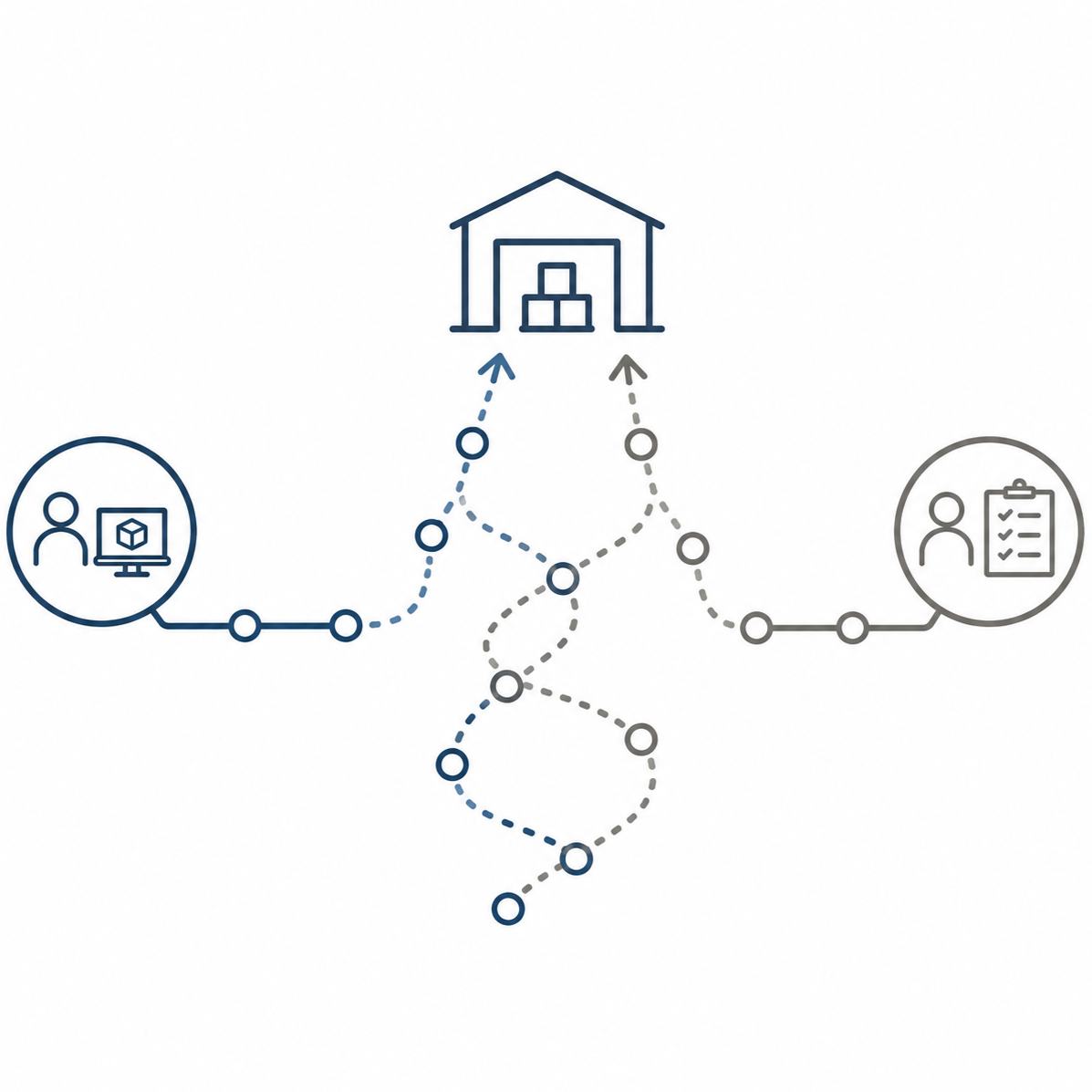
The latest post in my series on sustainable operations explores how temporary workarounds, reactive decisions, and survival behaviors slowly become the permanent operating model inside many operations.
Why Good Operators Struggle as Leaders
Operators operate. Leaders lead.
The best operator in the building is often the next leader.
That promotion makes sense.
It also creates challenges many organizations do not fully see. Dig in to this post to explore why.

The Operation You Think You Have vs. The One You Actually Have
What Sustainable Operations Actually Require (2 of 6 in the series)
Most operations are not running exactly as designed.
They are running as people have learned to adapt.
Explore this gap to understand why it exists.
The People Are Rarely the Problem
What Sustainable Operations Actually Require (1 of 6 in the series)
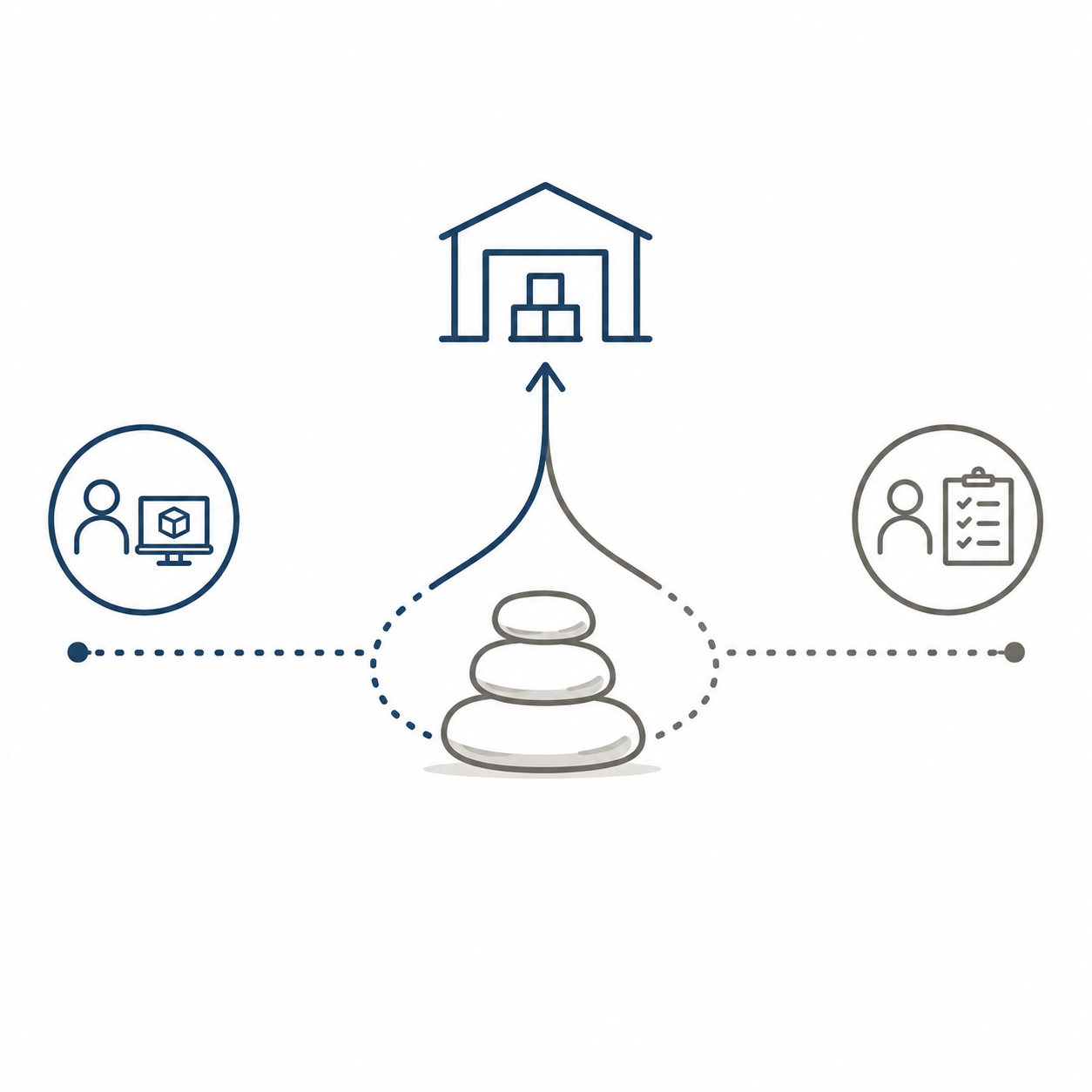
This post explores why operational behavior often makes sense within the environment that created it, and why sustainable improvement starts with understanding operational reality before trying to force change.

Identifying The Next Best Step
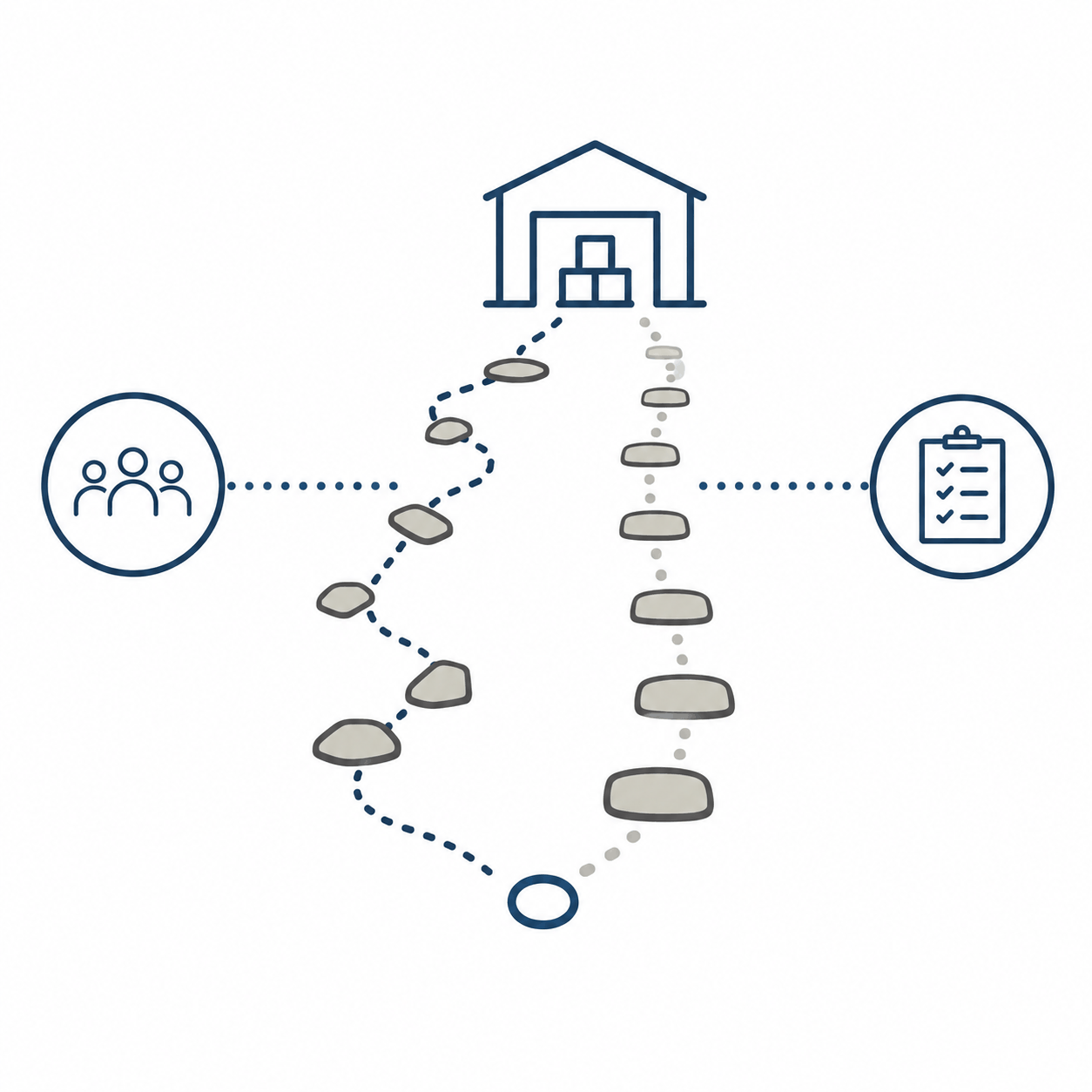
Sometimes the next best step is difficult to see from inside the pressure of the operation itself.
That is where experience, observation, and outside perspective can matter.
Read the final post in this series on The Next Best Step

The Next Best Step in Practice
A growing operation.
A gridlocked warehouse.
Missed SLAs and no room to move.
The solution started with the next best step.
Post 2 of 3 in a short series on how to identify it in practice.
The Next Step
Most operations teams do not struggle because they lack effort. They struggle because everything feels important at the same time.
The first post in my “Next Best Step” series explores a simple idea that often gets lost inside growing operations: progress usually starts by identifying the right next move, not by trying to fix everything at once.
Post 1 of 3: The Next Best Step